What is a straight neck?
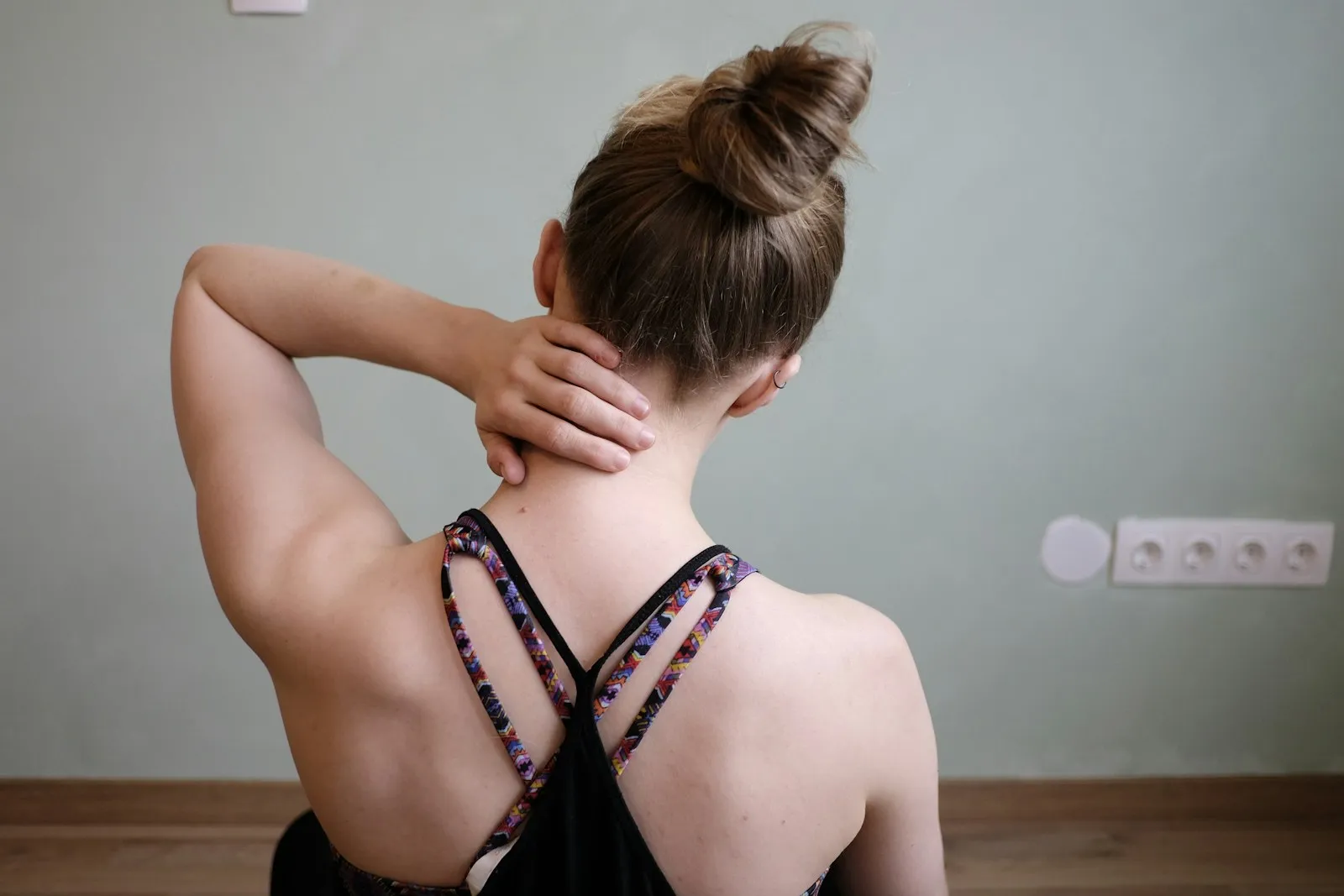
Seen from the side, a healthy cervical spine forms a gentle forward curve. This natural curve is called cervical lordosis, and it helps distribute the weight of the head evenly across the spine. When this curve is reduced on an X-ray and the cervical spine looks straighter, the finding is commonly called a straight neck or “military neck”; in reports it appears as “loss of cervical lordosis” or “straightening of the cervical lordosis”.
An important note: a straight neck is not a disease name on its own but a description made on imaging. Even the position of the head while the X-ray is taken, muscle spasm or the person’s own anatomy can affect the image. This finding is also seen in many people who have no pain.
Why does it happen?
- Holding the head bent forward for long hours at a computer or phone
- Tension and spasm in the neck and shoulder muscles
- Weakness of the deep neck muscles
- Trauma such as a sudden strain or a car accident
- Age-related disc and joint changes
What are the symptoms?
Loss of cervical lordosis does not always cause complaints. When it does, the most common are:
- Neck pain, stiffness and a feeling of tightness
- Tension spreading to the shoulders and between the shoulder blades
- Tension-type headaches that start at the back of the head and spread to the forehead
- Fatigue that gets worse after long periods at a screen
- Restriction when turning the neck or looking up
If you have pain spreading into the arm, or numbness or weakness in the hands, a pinched nerve such as a cervical disc herniation may also be involved; in this case a detailed assessment is needed.
When should you see a physician?
If you have marked or increasing weakness in the arms, loss of dexterity in the hands, unsteadiness when walking, neck stiffness with fever, pain that started after a fall or accident, or a sudden and very severe headache, see a physician without delay.
Physiotherapy for a straight neck
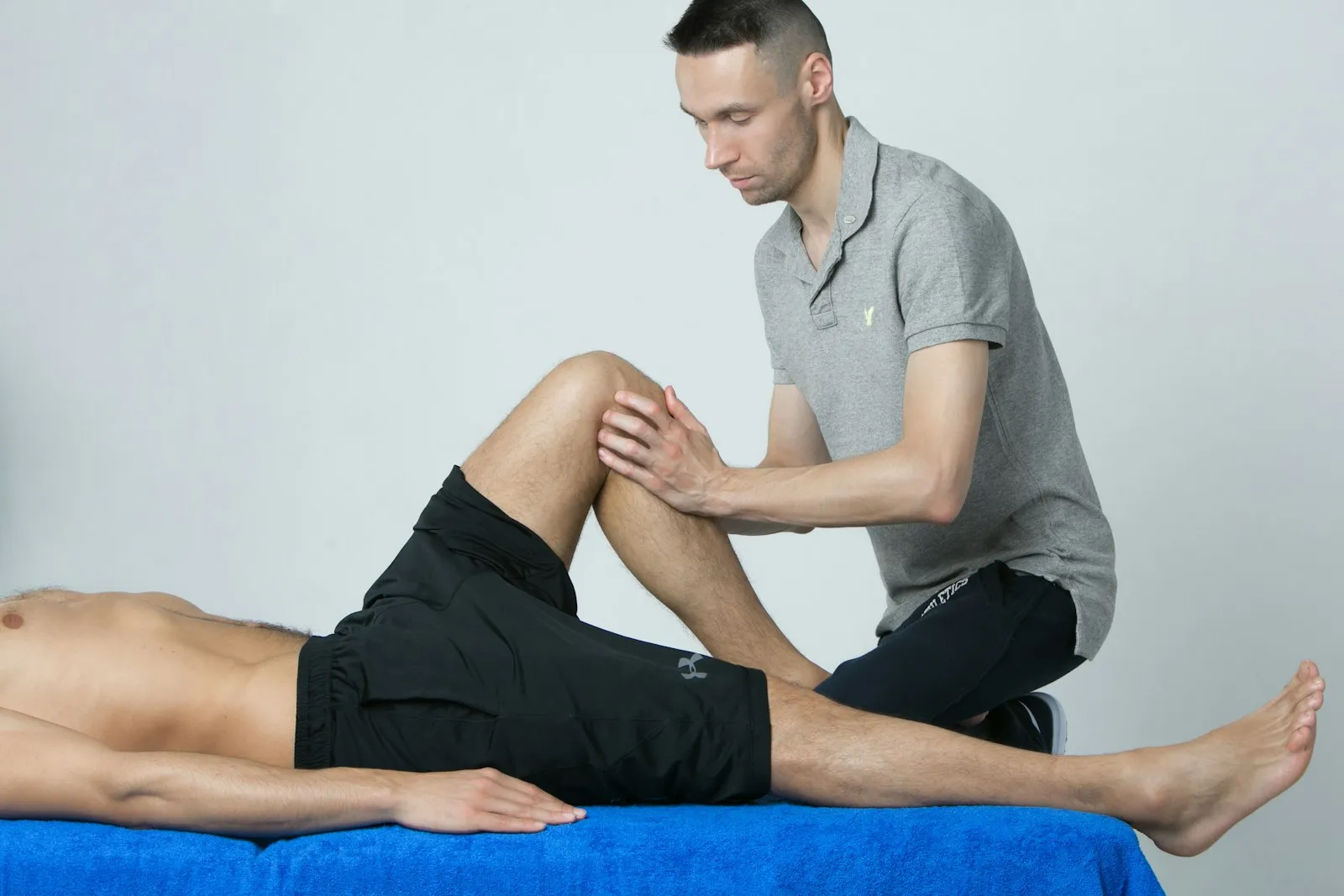
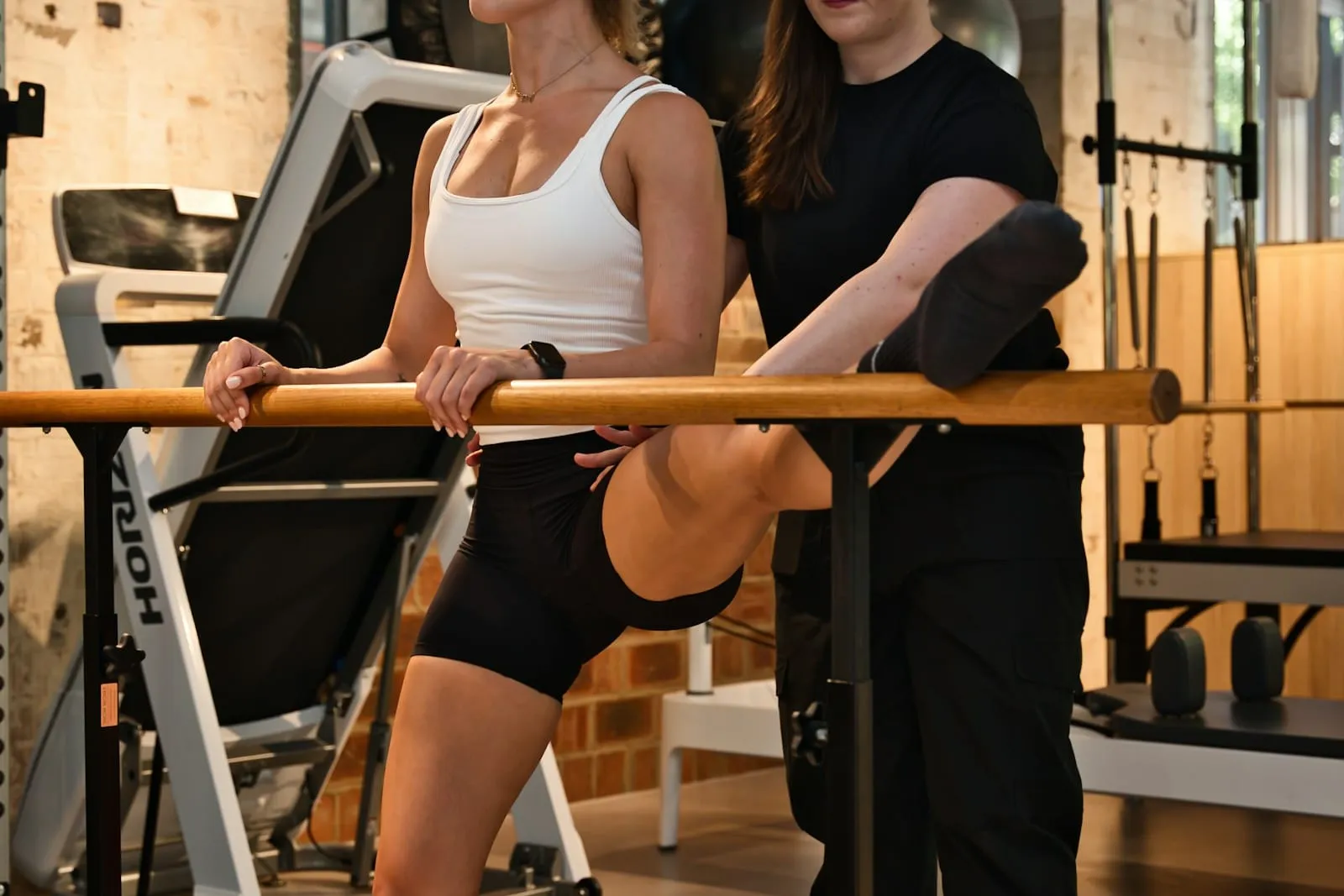
In physiotherapy, the aim is not to “correct” the X-ray image but to help the neck move comfortably and without pain. In the assessment we look at your neck movements, your posture and the muscles of the shoulders and upper back. The program usually includes:
- Manual therapy: Techniques aimed at reducing muscle tension and joint restriction in the neck and upper back
- Strengthening the deep neck muscles: Controlled exercises for the muscles that keep the head balanced on the spine
- Back and shoulder blade exercises: To counterbalance rounded shoulders and a hunched upper back
- Ergonomics education: Screen height, chair setup, phone use and break routine
- Clinical Pilates: To support whole-body posture once the pain has eased
The number of sessions depends on how long and how severe the complaint is; after the first assessment we give you an estimated plan.
Small changes in daily life
- Bring the top edge of your screen to eye level; if you work on a laptop for long periods, use a separate keyboard and a laptop stand.
- Hold your phone close to eye level instead of bending over it in your lap.
- Every 30–45 minutes, get up and move your shoulders and neck a few times.
If you work at a desk and the stiffness in your neck will not go away, you can have an assessment at our clinic in Şişli, within walking distance of Mecidiyeköy metro station. For more information, see our neck pain page.
The information on this page is for general guidance only and does not replace diagnosis or treatment. Please consult a healthcare professional about your symptoms.