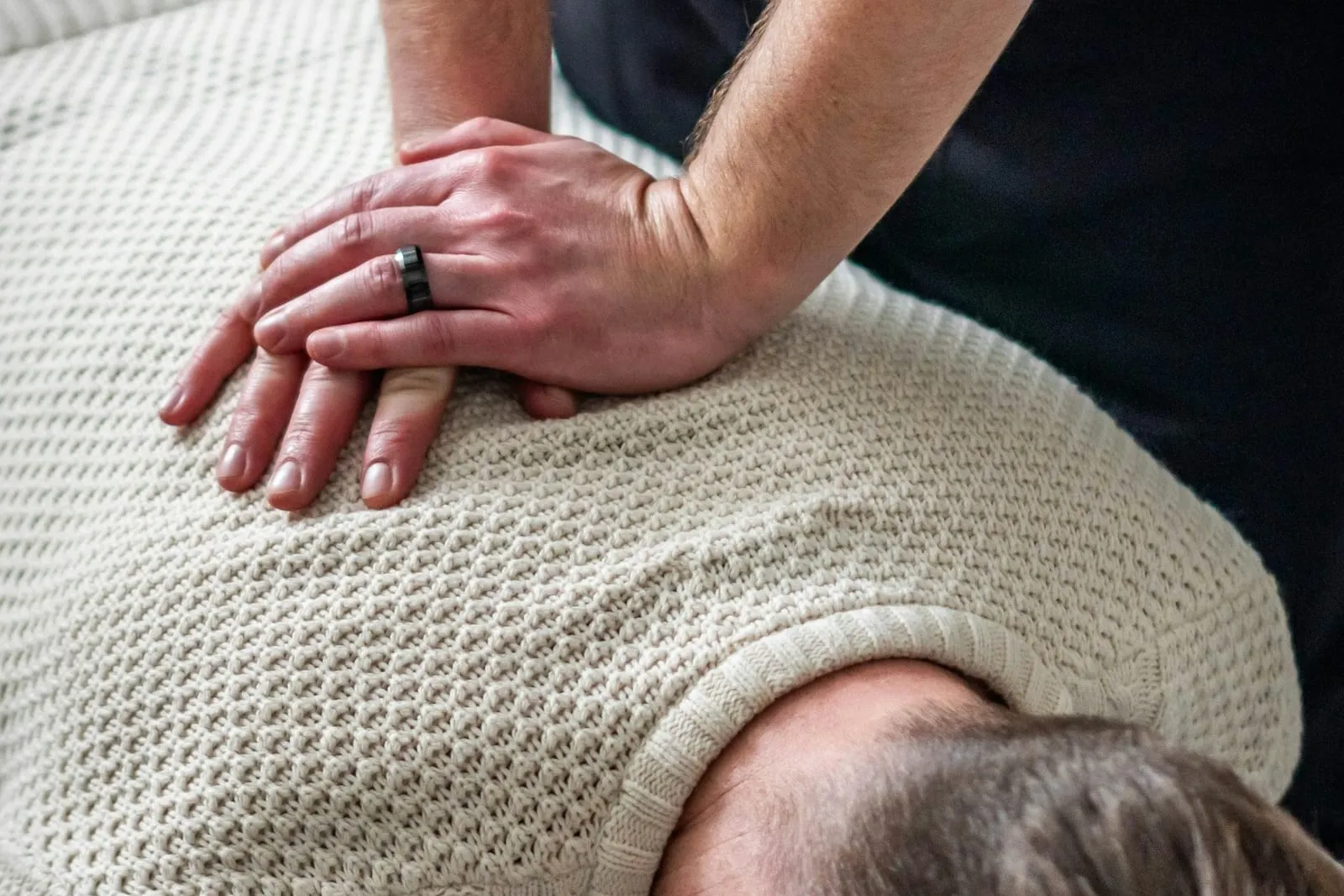
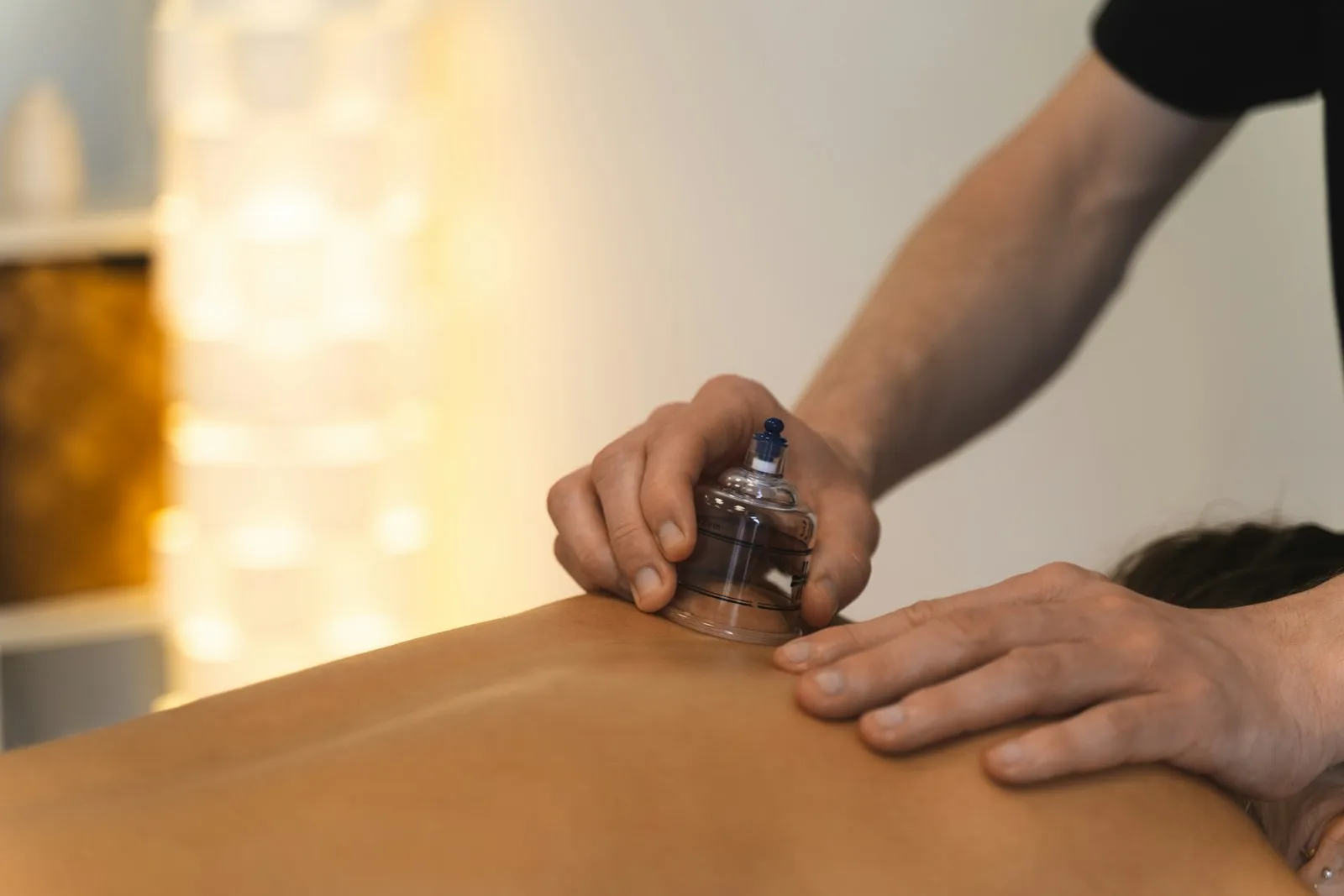
Manual therapy is a treatment method made up of techniques the physiotherapist applies with their hands. It covers mobilization and manipulation of the joints as well as soft tissue techniques for the muscles and connective tissue. The aim is to ease pain, reduce muscle tension and help joints with restricted movement move comfortably again.
Manual therapy is not a “relaxation massage”: an assessment first identifies which joint or tissue is causing the problem, and the techniques are chosen accordingly.
Who is it suitable for?
Manual therapy is most often chosen for:
- Lower back pain, neck pain and complaints related to a herniated disc
- Tension-type headaches coming from the neck and shoulders
- Muscle spasms, stiffness and morning stiffness
- Restricted movement in the shoulder, knee and hip
- Postural pain from long hours of desk work
- Joint stiffness after surgery or injury (with your physician’s approval)
What happens in a session?
In the first session we listen to your complaint and assess which movements make the pain worse and where it comes from. We then apply the techniques that suit you: sometimes slow, rhythmic joint movements, sometimes pressure and stretching techniques for the muscles and fascia. We explain every step beforehand and adjust the pressure to you.
To make use of the range of movement gained through manual therapy, we usually add a few exercises and posture tips at the end of the session. Manual therapy tends to give more meaningful results not on its own, but as part of a program carried out together with exercise.
How many sessions are needed?
The number of sessions depends on the condition, how long it has lasted and the person. A muscle that has only just stiffened up and lower back pain that has gone on for years are not handled with the same plan. After the initial assessment we give you an estimated plan and update it as you progress.
What you may feel after a session
Most clients describe a feeling of lightness and easier movement after a session. There may also be mild tenderness in the treated area for about a day; this usually passes on its own. Doing the exercises you were given in the days after the session helps the relief last.
Who is it not suitable for?
In situations such as a suspected fracture, advanced osteoporosis, an active infection, a history of tumors or unexplained severe pain, manual techniques are not applied or are modified. That is why we ask about your health history during the assessment and, if necessary, refer you to a physician first.
You can have manual therapy at our clinic in Fulya, Şişli, next to Mecidiyeköy metro station; if it is hard for you to go out, our physiotherapist comes to you as part of our home physiotherapy service.
Fees depend on your condition and session plan; we explain them clearly in the initial consultation.