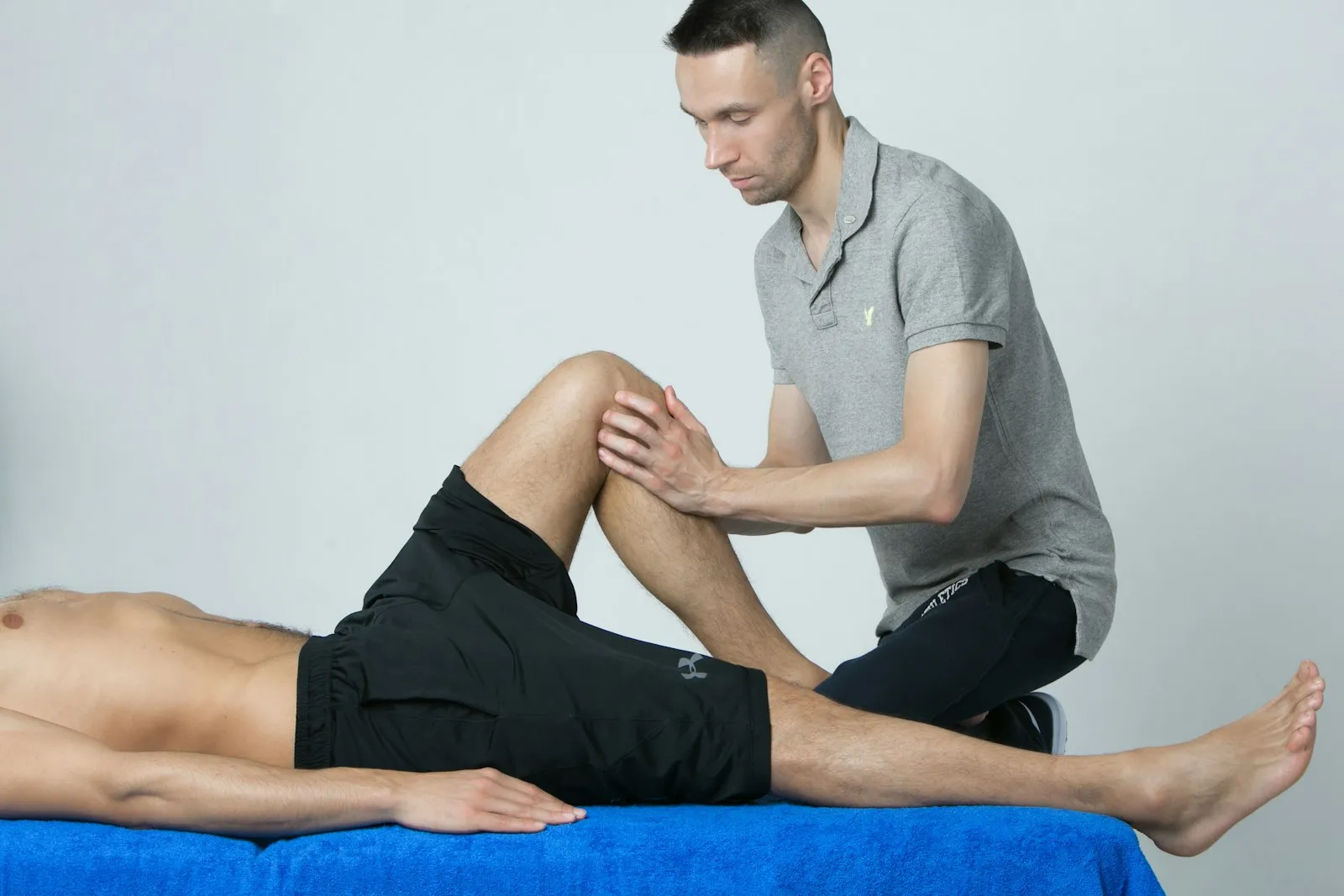
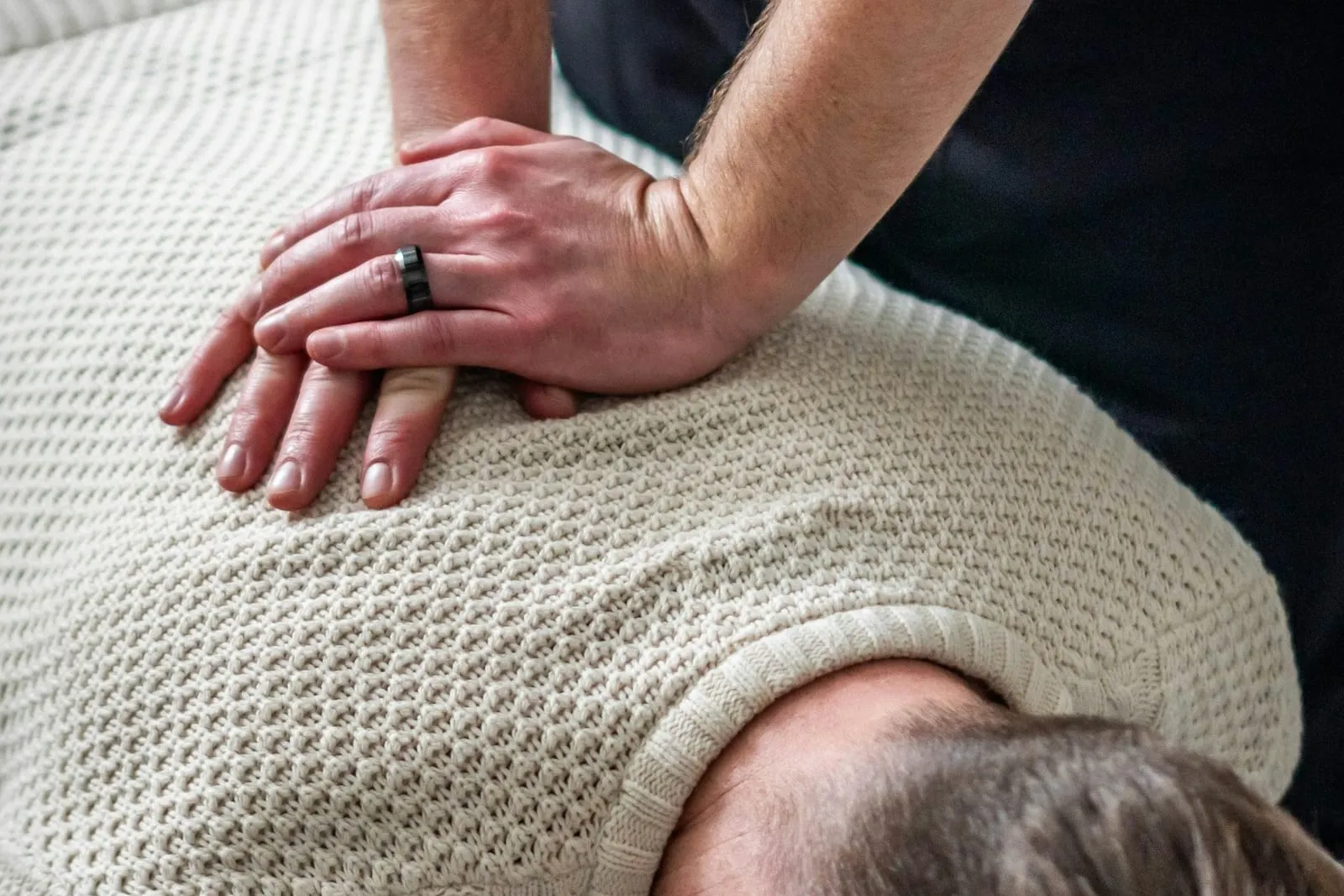
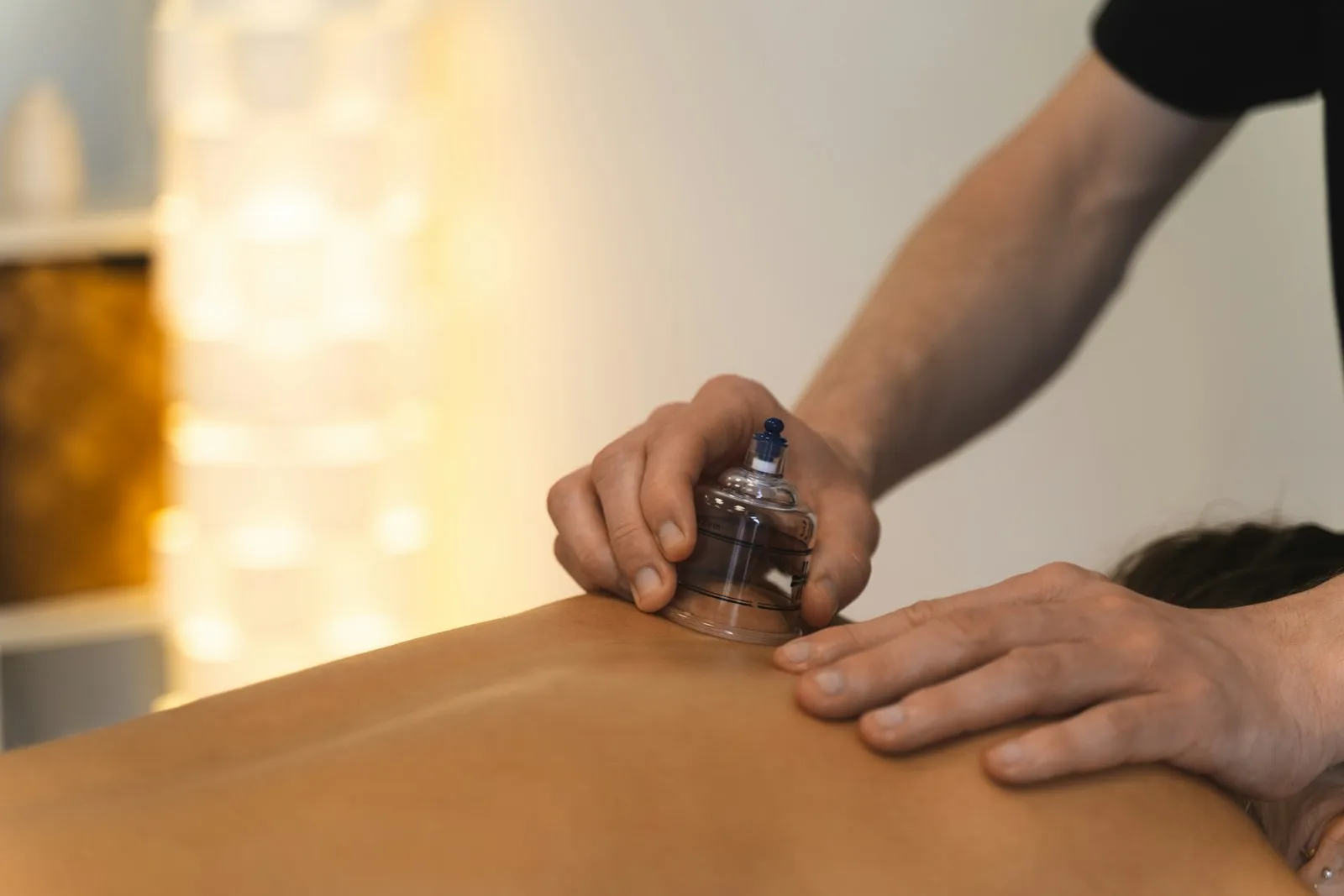
The Graston technique is a soft tissue technique performed with specially designed stainless steel instruments; in the literature it is also known as instrument-assisted soft tissue mobilization. The physiotherapist moves the instruments over the skin at specific angles and directions to target stiffness, adhesions and scar tissue in muscles, tendons and fascia.
The metal surface of the instrument makes it easier to feel irregularities in the tissue than with the hands alone, so the problem area can be treated more precisely. Instruments of different sizes and shapes allow work on both large muscle groups and small areas such as the elbow, wrist and heel.
Who is it for?
- People with sports injuries and muscle strains
- Anyone with tendinitis or tendon-related pain (for example tennis elbow or golfer’s elbow)
- People with forearm and wrist tension that accompanies carpal tunnel syndrome
- Those with pain in the sole of the foot or a heel spur
- People whose movement is restricted by scar tissue after surgery or injury
- Anyone with long-standing muscle stiffness in the neck, upper back and shoulders
What happens in a session?
First we assess the source of your pain and any restriction in movement. A thin layer of cream is then applied to the skin, and the target area is worked with the Graston instruments for a few minutes. Straight afterwards, stretching and strengthening exercises make use of the newly gained range of motion; the real value of the technique comes out together with these exercises.
How many sessions will I need?
The Graston technique is usually used in certain sessions as part of a program. The number and frequency of sessions depend on how long you have had the complaint and how the tissue responds. We track your progress together at every session through pain and range of motion.
After the treatment
Brief redness and mild tenderness lasting a day or two are normal. During this time we recommend continuing the exercises you have been given and taking a short break from activities that clearly increase your pain.
Who should not have it?
The treatment is not applied, or is modified, in cases such as open wounds, active infection, use of blood thinners, clotting disorders, uncontrolled high blood pressure or varicose veins in the treatment area. That is why we ask about your health history before every session.
We use the Graston technique together with manual therapy and exercise, at our clinic in Fulya, Şişli, or in home physiotherapy sessions.
Fees depend on your condition and session plan; we explain them clearly in the initial consultation.