What is a heel spur?
On the sole of the foot, a thick band runs from the heel towards the toes: the plantar fascia. It supports the arch of the foot and carries load when you walk. A heel spur is a small bony growth that forms over time where the plantar fascia attaches to the heel bone.
A heel spur is often seen together with long-term overload and irritation of the plantar fascia (plantar fasciitis). The real source of the pain is usually this irritation; some people have a spur on X-ray but no pain at all. That is why treatment focuses not on the spur but on the load on the sole of the foot.
Risk factors include standing for long periods, excess weight, walking or running on hard surfaces, unsupportive shoes, flat feet or high arches, and tight calf muscles.
What are the symptoms?
- Sharp, stabbing pain under the heel
- Severe pain on the first steps after getting out of bed in the morning or after sitting for a long time
- Pain that eases after a few steps and increases again during the day
- Stiffness in the sole of the foot and tenderness around the heel
- Pain that gets worse after standing or walking for a long time
When should you see a physician?
If you have marked swelling, redness and warmth in the heel, fever, numbness or burning in the foot, pain that started after a fall or blow, or pain that continues at night while resting, see a physician without delay.
Physiotherapy for a heel spur
Physiotherapy for a heel spur and plantar fasciitis aims to reduce the load on the sole of the foot and increase the tissue’s capacity to handle load:
- Stretching exercises: For the calf muscles and the plantar fascia
- Strengthening exercises: For the small muscles of the foot and the calf muscles
- Insole and footwear advice: Choices that support the heel and suit the structure of your foot
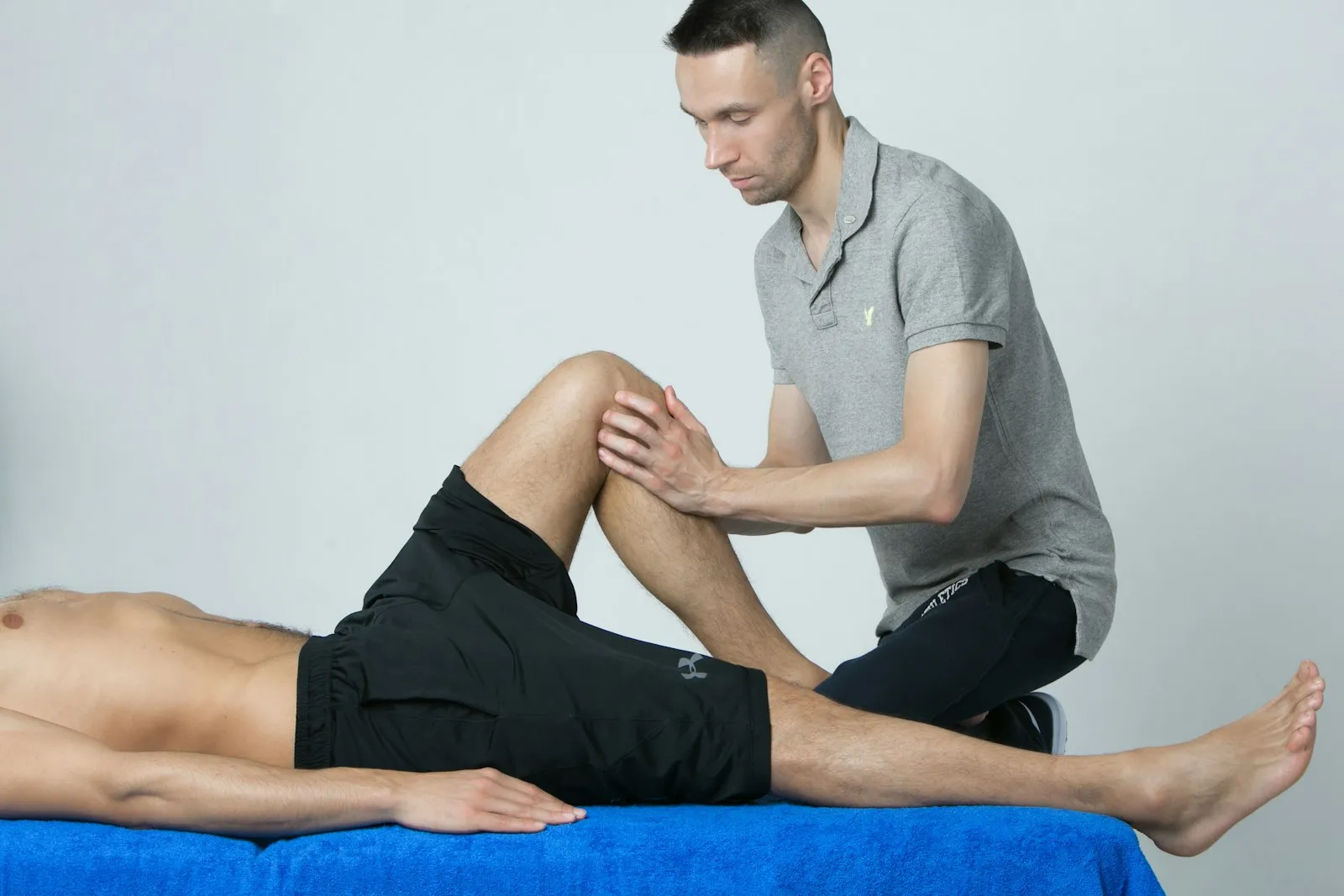
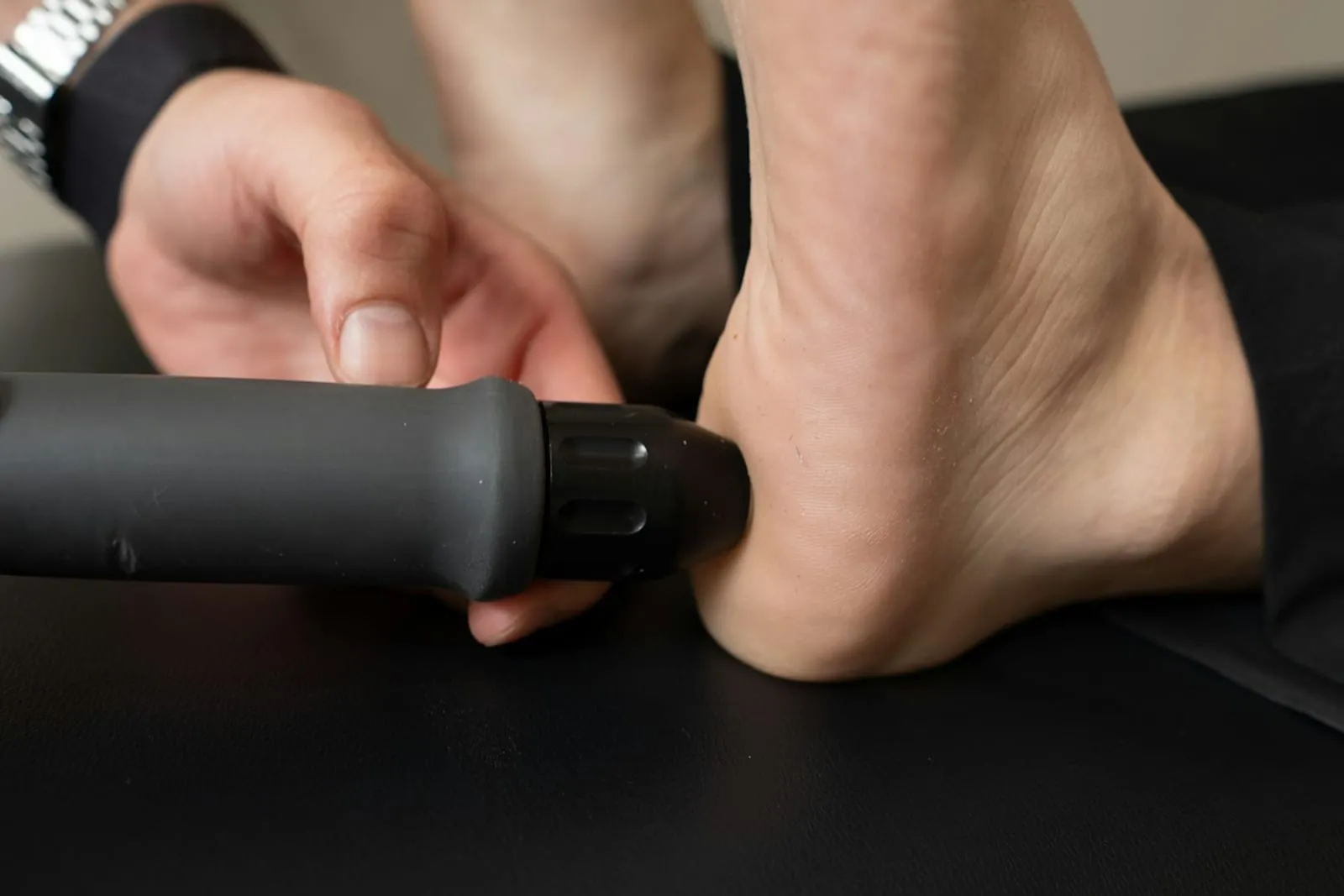
- Massage and soft tissue work: Relaxing the sole of the foot and calf muscles with manual therapy and the Graston technique
- Biomechanical assessment and posture: Looking at how you walk, stand and distribute load
Plantar fasciitis often takes patience; doing your stretching and strengthening exercises for a few minutes every day is just as important as the sessions. For heel pain that starts with your first step in the morning, you can have an assessment at our clinic in Fulya, Şişli.
The information on this page is for general guidance only and does not replace diagnosis or treatment. Please consult a healthcare professional about your symptoms.