A knee replacement (total knee arthroplasty) is an operation in which joint surfaces worn down by causes such as advanced osteoarthritis are replaced with artificial parts. The operation removes the worn surfaces that were the source of the pain; however, rehabilitation is needed for the knee to bend comfortably again, for the muscles to get stronger and for you to walk safely. Physiotherapy is a core part of this process.
Why is physiotherapy so important?
After surgery there is swelling, pain and muscle weakness around the knee. If the knee is not moved, the tissues around the joint can stiffen and its range of motion can become limited. The thigh muscles also weaken quickly. Regular exercise at the right dose helps the knee regain movement, strengthens the muscles and brings walking closer to normal.
What stages does rehabilitation go through?
Every patient’s program is different and progresses in line with the recommendations of the surgeon who performed the operation. In general, the following stages can be described:
- Early stage: Controlling swelling and pain, gentle movement work aimed at fully straightening and bending the knee, simple exercises to activate the thigh muscles, and walking safely with a walker or crutches
- Strengthening stage: Gradual exercises for the thigh, hip and calf muscles, and practice with sitting down, standing up and stairs
- Balance and function stage: Balance exercises, moving on to walking without an assistive device, and returning to daily tasks and walks
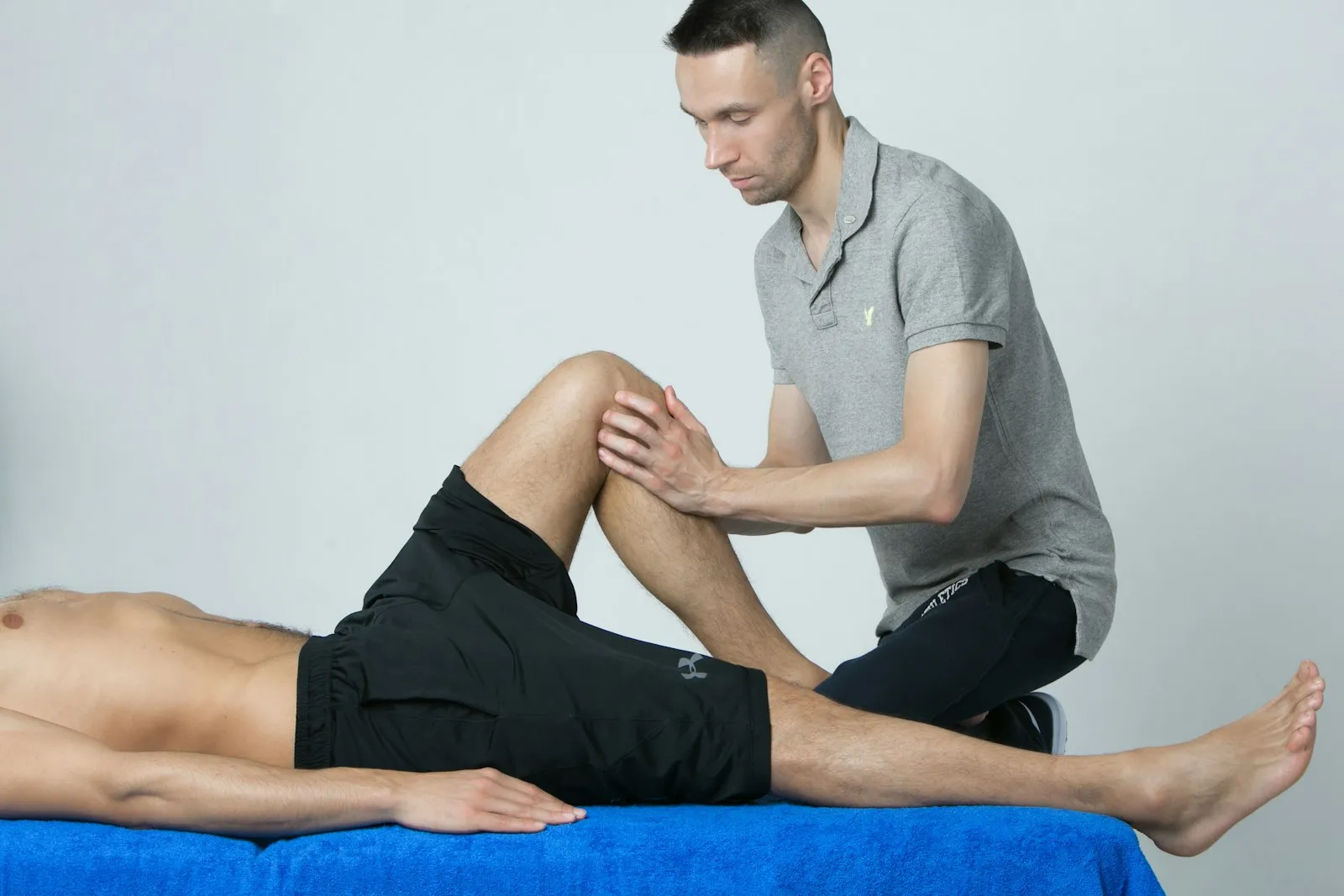
When needed, manual therapy techniques are added to the program to relax the tissues around the knee and support movement.
What should you watch out for at home?
- Do the exercises your surgeon and physiotherapist have given you regularly, spread throughout the day.
- Do not keep a pillow under your knee for long periods; fully straightening the knee is just as important as bending it. If your surgeon has advised otherwise, follow their advice.
- Remove obstacles that could cause a fall, such as rug edges, cables and slippery floors; use a non-slip mat in the bathroom.
- For swelling, you can use cold packs and keep your leg raised as your physician recommends.
- Take painkillers and blood thinners exactly as your physician has told you; your physician, not your physiotherapist, guides you on medication.
How many sessions are needed?
It varies from person to person. Your muscle strength before surgery, your age, your general health and how regularly you keep up with the exercises determine how long it takes. Usually the first weeks involve more frequent sessions; as you progress, sessions become less frequent and the home program plays a bigger role.
When should you see a physician?
If you have painful swelling in the calf, sudden shortness of breath or chest pain, fever, increasing redness, discharge or opening at the wound, sudden and marked swelling in the knee, or you cannot put any weight on the leg at all, contact the surgeon who performed the operation or go to the emergency department without delay.
Knee replacement rehabilitation at Fizyohome
In the first weeks after surgery, our physiotherapist comes to your home in Mecidiyeköy, Şişli, Beşiktaş, Kağıthane and nearby areas. Once your walking becomes easier, you can continue rehabilitation at our clinic in Fulya, Şişli. For other knee-related topics, see our knee pain page, and if you are curious about how home sessions go, take a look at our article how home physiotherapy works.
The information on this page is for general guidance only and does not replace diagnosis or treatment. Please consult a healthcare professional about your symptoms.