After being diagnosed with a herniated disc, many people become afraid to move. Yet with a herniated disc the aim is not to stop moving but to change the habits that strain the lower back and keep moving the right way. The advice below is for general information; for restrictions specific to you, follow the recommendations of your physician and your physiotherapist. We explain what a herniated disc is and its symptoms in our article on herniated discs.
What not to do with a herniated disc
1. Staying in bed for days. Pain may call for short rests in the first days; however, long periods of bed rest weaken the muscles and can delay recovery. Short walks that do not increase the pain are often more helpful.
2. Sitting for hours without a break. Sitting for a long time increases the load on the discs. If you work at a desk, get up every 30–45 minutes and walk for a few minutes.
3. Lifting loads by bending at the waist. When picking something up from the floor, bend your knees, keep the load close to your body and do not twist your trunk while lifting. If possible, split heavy loads and carry them in parts.
4. Sudden twisting and bending movements. Suddenly turning the trunk, especially while carrying a load, strains the lower back. If you need to turn, turn with your feet.
5. Randomly trying exercises from the internet. An exercise that helps one person can make another person’s pain worse. Do not continue a movement that clearly increases your pain or sends it down your leg; learn the exercises with a physiotherapist at first.
6. Wearing a back brace for long periods when it is not needed. In some cases a physician may recommend a brace for a short time. However, wearing it longer than necessary can reduce how much the trunk muscles work; ask your physician how long to use it.
7. Stopping exercise once the pain is gone. Less pain does not mean the process is over. Keeping up the exercises that strengthen the trunk muscles helps reduce the risk of the pain coming back.
What can you do instead?
- Change position often during the day; make short, regular walks a habit.
- When sitting, use a chair that supports your lower back and bring your screen to eye level.
- When sleeping, you can put a pillow under your knees if you lie on your back, or between your knees if you lie on your side.
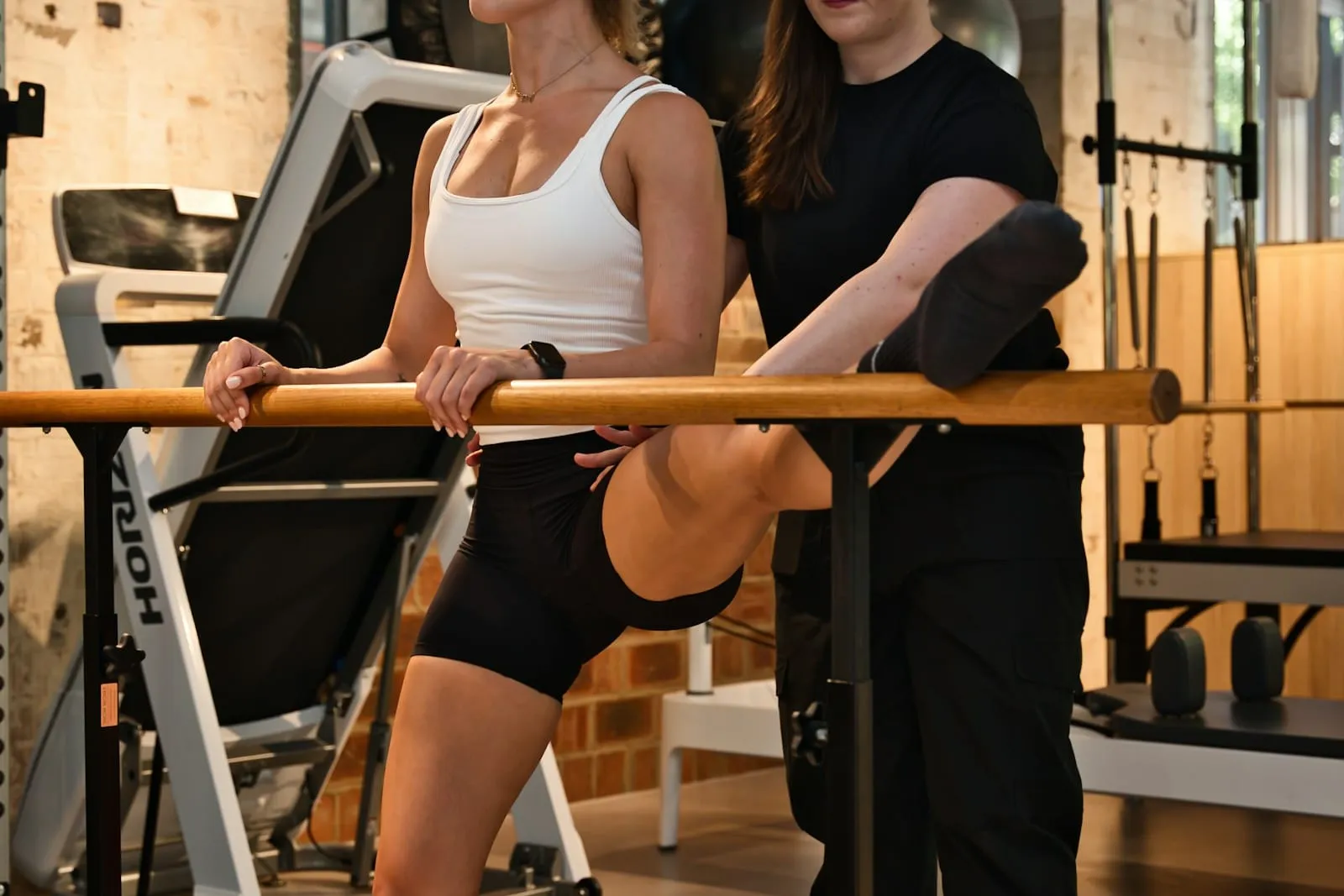
- Once the pain eases, move on to a program that strengthens the trunk, hip and back muscles. Clinical Pilates is a common choice at this stage.
How can physiotherapy help?
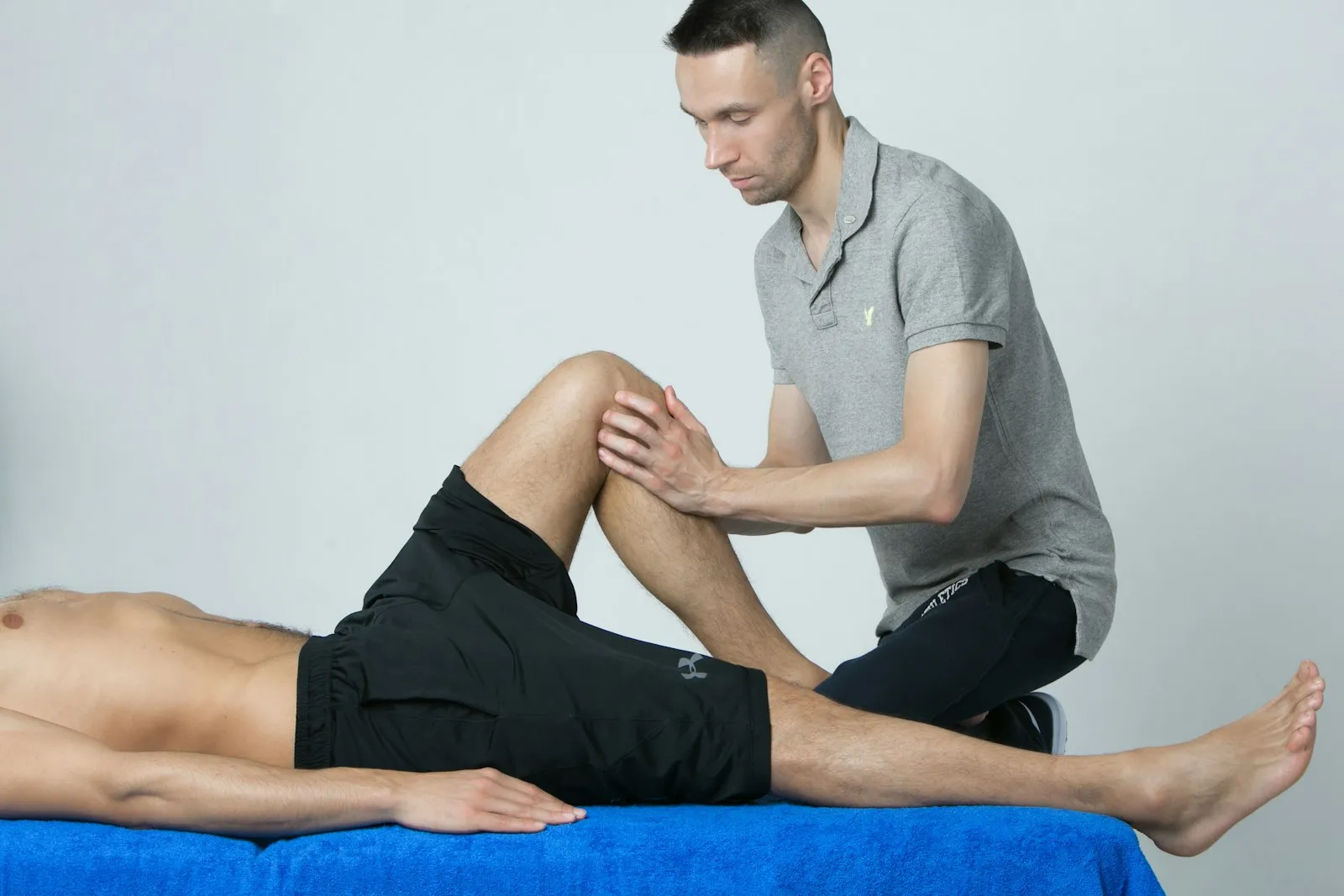
In physiotherapy, we first identify the positions that increase and reduce your pain. During the painful period we aim to reduce muscle spasm with manual therapy and controlled movements, and then to strengthen the muscles that support the spine with exercises tailored to you. A personal list of what to do and what to avoid is also part of this assessment. The number of sessions depends on how long and how severe the pain is.
When should you see a physician?
If you have marked or increasing weakness in the leg, problems controlling your bladder or bowels, or numbness in the groin and around the buttocks, see a physician without delay, and go to the emergency department if necessary. Low back pain with fever, or pain that does not ease with rest at night, also needs a physician’s assessment.
You can have your herniated disc pain assessed at our clinic in Fulya, Şişli. If the pain makes it hard to go out, our physiotherapist can come to your home in Mecidiyeköy and nearby areas; for general information, see our low back pain page.
The information on this page is for general guidance only and does not replace diagnosis or treatment. Please consult a healthcare professional about your symptoms.