What is a herniated disc?
The discs between the vertebrae act as cushions. When the outer layer of a disc weakens and cracks over time, the soft core inside can bulge out and press on the nerve roots leaving the spine. This is called a herniated disc (lumbar disc herniation).
A herniated disc is most common at the lower levels of the lumbar spine. Factors that increase the risk include sitting for long periods, lifting heavy loads with poor technique, inactivity, smoking and age-related disc wear. A herniation does not always happen with a single sudden movement; more often it is the result of load built up over years.
What are the symptoms?
- Lower back pain
- Pain spreading to the buttock and leg, sometimes down to the foot (sciatica)
- Numbness and tingling in the leg or foot
- Weakness in the leg muscles
- Pain that gets worse when coughing, sneezing or sitting for a long time
How severe the symptoms are depends not on the size of the herniation but on how much the nerve is affected. That is why a herniation that looks large on MRI may cause mild symptoms, while a small one can lead to significant pain.
When should you see a physician?
If you have marked or increasing weakness in the leg, problems controlling your bladder or bowels, or numbness around the groin and buttocks, see a physician without delay, or go to the emergency department if needed. Lower back pain with fever, unexplained weight loss or pain that does not ease with rest at night also needs a physician’s assessment. A herniated disc is diagnosed by a physician’s examination and, where needed, an MRI.
How does physiotherapy treatment progress?
The aim of physiotherapy is to reduce irritation of the nerve, bring the pain under control and strengthen the muscles that support the spine. The program usually progresses in stages:
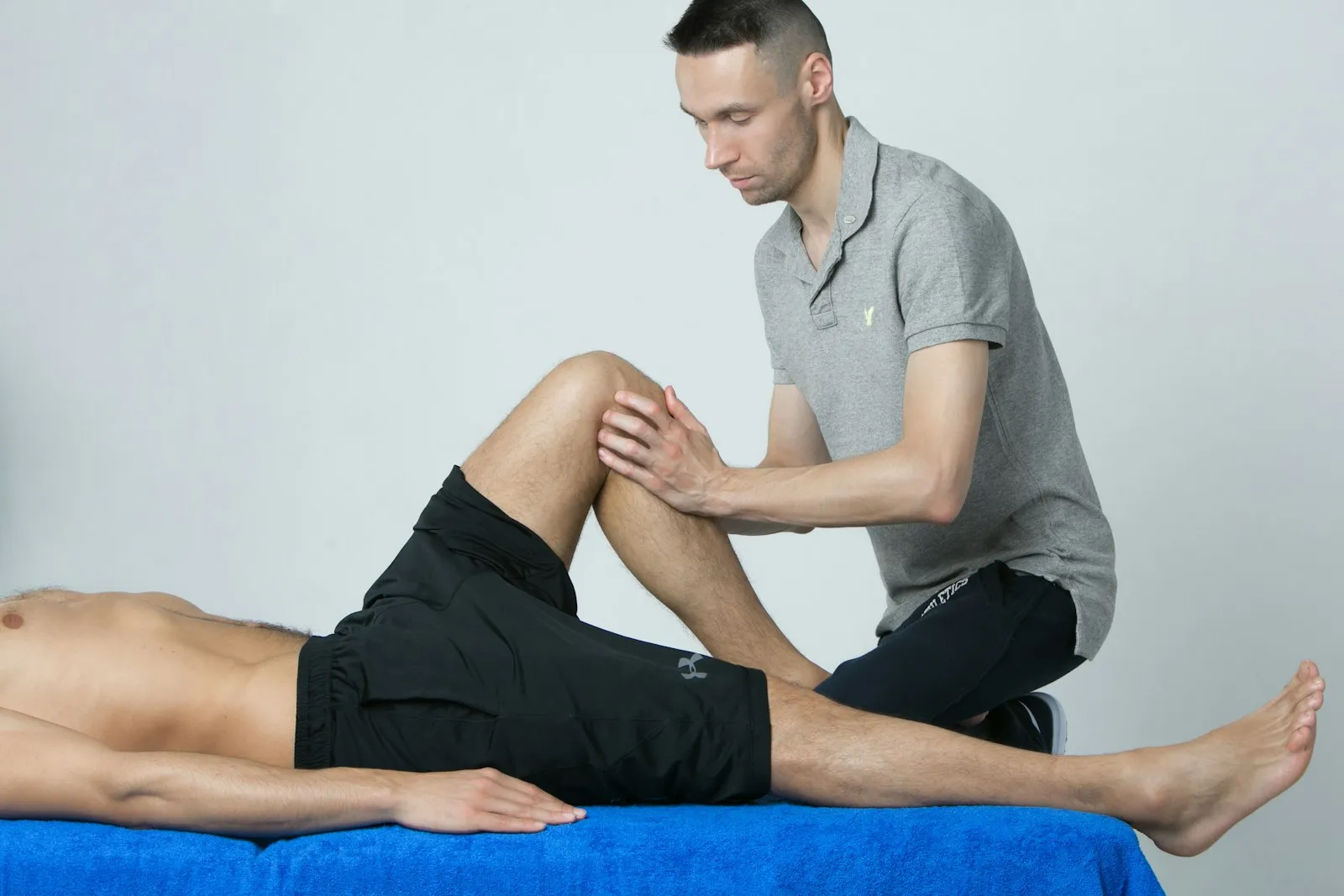
- Painful phase: Finding positions and movements that do not increase the pain, reducing muscle spasm with manual therapy, and controlled movement such as short walks
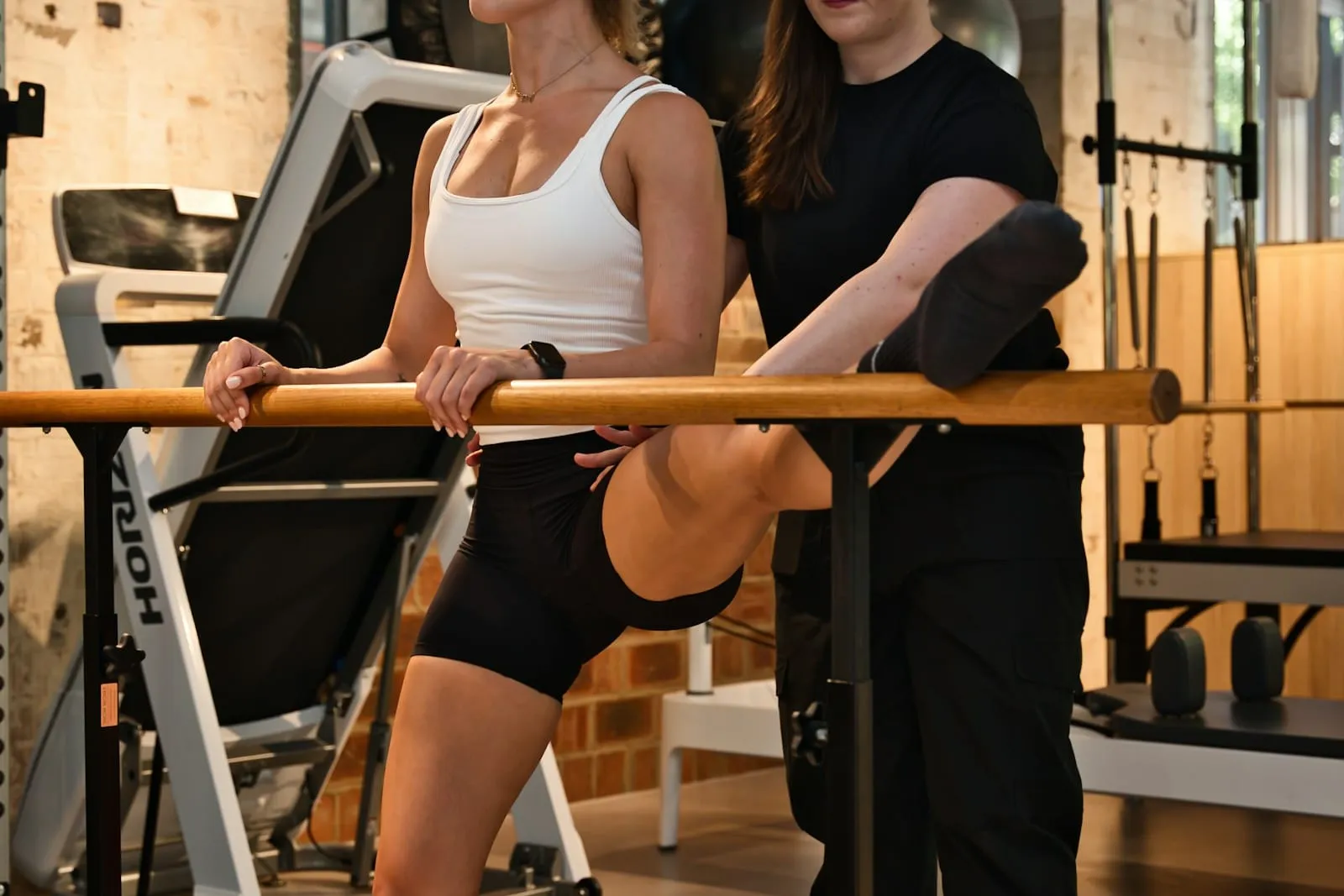
- Regaining movement: Stretching, exercises that help the nerve move freely, and posture training
- Strengthening: Progressive exercises for the trunk (core), hip and back muscles; later on, clinical pilates
- Returning to daily life: Personalized advice on sitting, lifting, work and sport
Since every client’s situation is different, the treatment plan is tailored to you after a detailed assessment. For clients who have had surgery, rehabilitation is planned in line with the recommendations of the surgeon.
Small but important steps in daily life
Not staying in the same position for long, lifting loads by bending your knees and keeping them close to your body, and using a chair that supports your lower back when you sit are good first steps. We describe the movements and habits to avoid in detail in our article on what to avoid with a herniated disc.
You can have your herniated-disc pain assessed at our clinic in Fulya, Şişli. If the pain makes it hard to leave the house, we can come to you with our home physiotherapy service; for general information, you can also take a look at our lower back pain page.
The information on this page is for general guidance only and does not replace diagnosis or treatment. Please consult a healthcare professional about your symptoms.