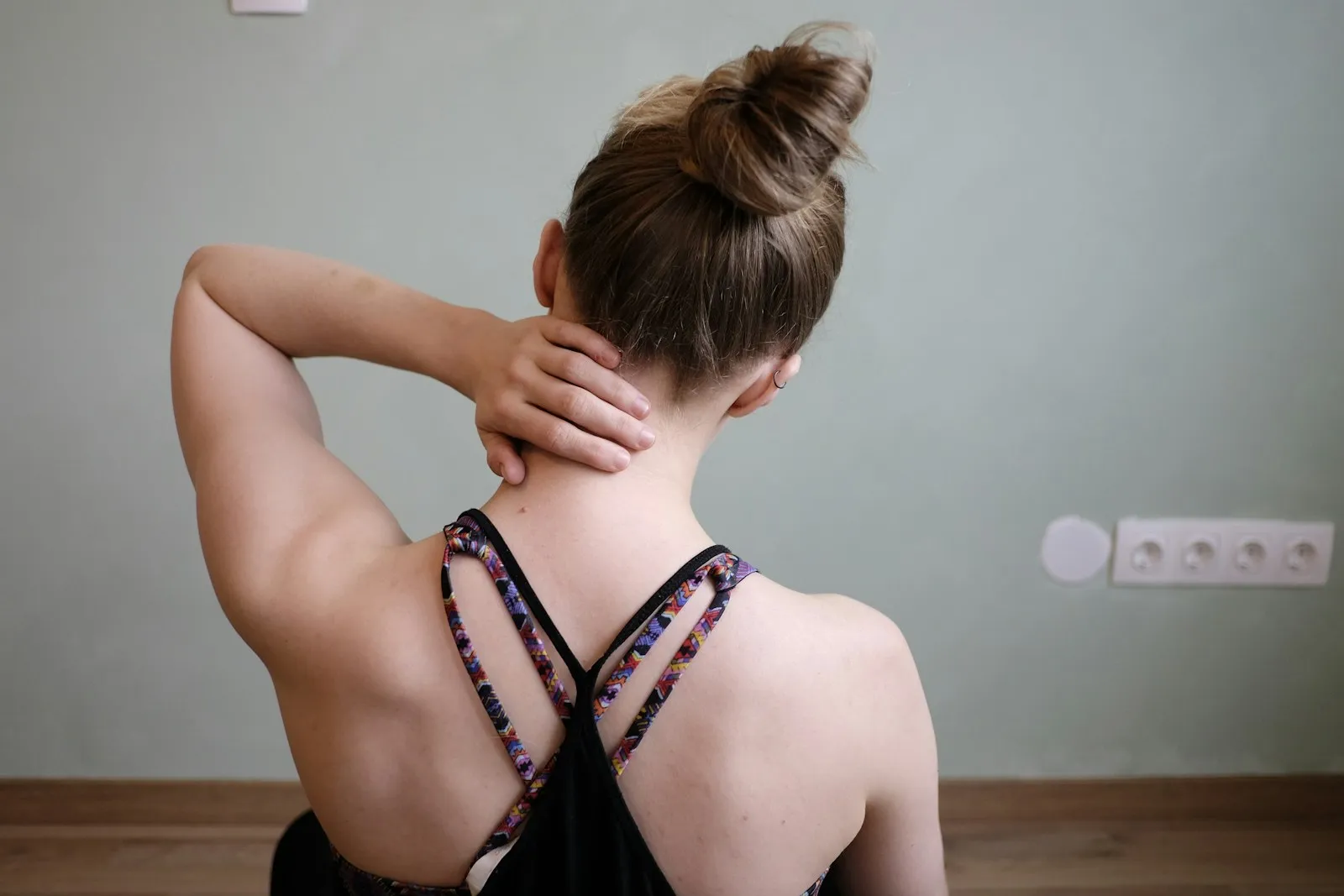
Lower back pain is one of the most common musculoskeletal complaints, and almost everyone experiences it at some point in life. It can show up as an ache, a stabbing or cramp-like pain, or stiffness in the lower back, and sometimes spreads to the buttock and leg. Most lower back pain is not caused by a serious illness and can be managed with the right movement and exercise; even so, understanding the cause is the first step in choosing the right program.
Common causes of lower back pain
- Long hours of sitting, desk work and inactivity
- Poor posture habits
- Lifting heavy loads or sudden, straining movements
- Weak abdominal and back muscles
- A herniated disc and other disc problems
- Muscle strains and spasms
Who can benefit from physiotherapy?
The people we see most often are those whose lower back pain does not go away within a few days or keeps coming back, those diagnosed with a herniated disc for whom surgery has not been recommended, those in rehabilitation after back surgery, and desk workers who regularly get a stiff lower back.
What happens in a session?
In the first session we listen to your complaint and assess your posture, the movement of your lower back and hips, your muscle strength and any nerve-related signs. The program most often includes:
- Manual therapy: Hands-on techniques that aim to release muscle spasm and ease joint movement
- Exercise program: Movements that strengthen the core muscles and improve flexibility
- Posture and movement training: Advice on sitting, standing up, carrying loads and working positions
- Clinical pilates: Once the pain has eased, to strengthen the muscles that support the spine
Where needed, supportive methods such as chiropractic techniques or cupping therapy may also be added to the program.
How many sessions are needed?
The number of sessions depends on the cause of the pain, how long it has lasted and the person. A freshly locked lower back and disc pain that has gone on for months do not need the same amount of time. After the assessment we give you an estimated plan and reduce the frequency of sessions as you progress.
After treatment
Keeping up the exercises you learn during the program a few days a week and breaking up long periods of sitting with short breaks are the most effective ways to lower the risk of the pain coming back. If you have been diagnosed with a herniated disc, our article on what to avoid with a herniated disc can guide you in everyday life.
When to see a physician
If you have marked weakness in your leg, problems controlling your bladder or bowels, numbness in the groin or buttock area, lower back pain with fever, pain that started after a fall or accident, or unexplained weight loss, see a physician without delay.
You can get lower back pain treatment at our clinic in Fulya, Şişli. If the pain makes it hard to leave the house, our physiotherapist comes to your home in Mecidiyeköy, Şişli, Beşiktaş and the surrounding areas.
Fees depend on your condition and session plan; we explain them clearly in the initial consultation.