What is hip pain and what causes it?
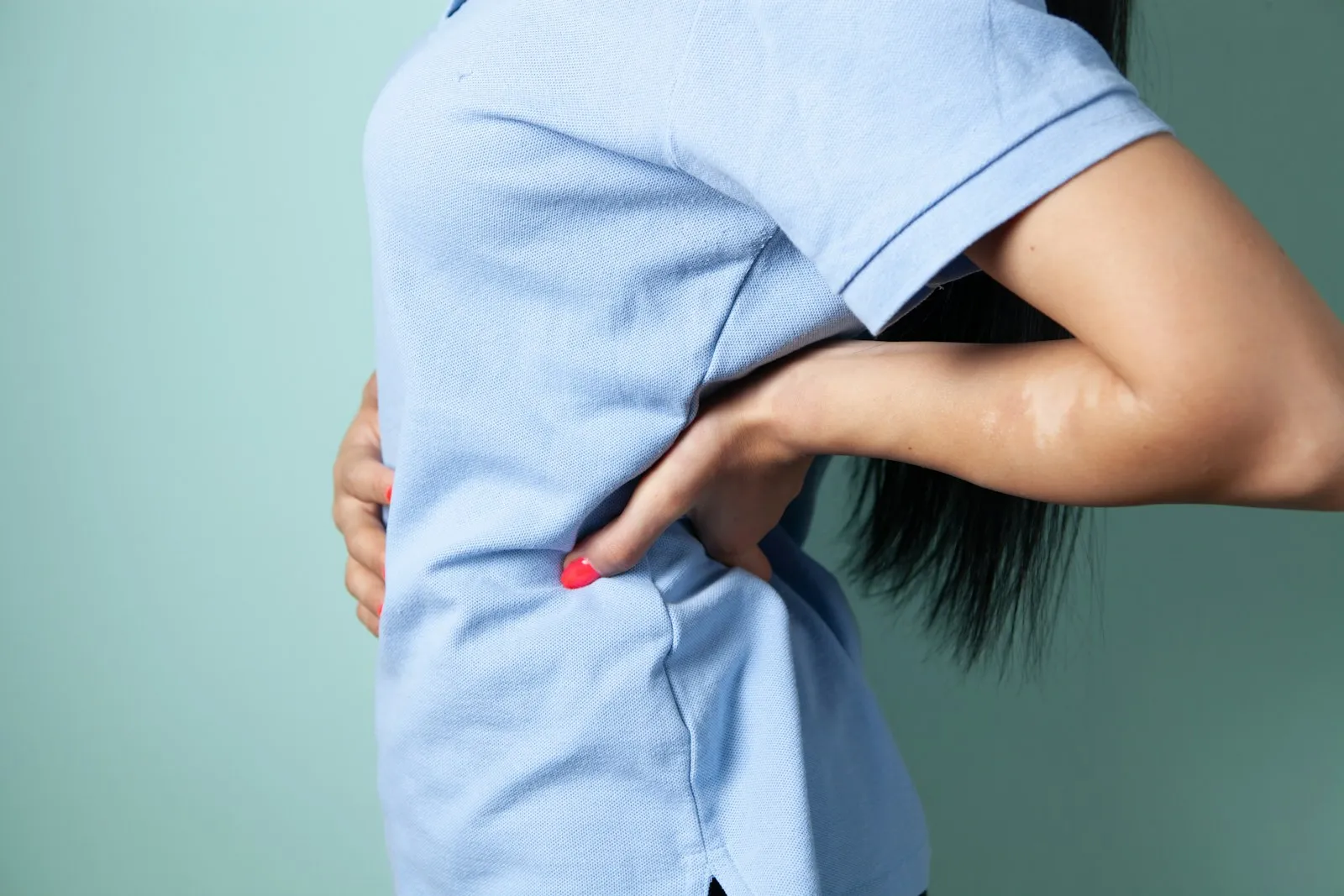
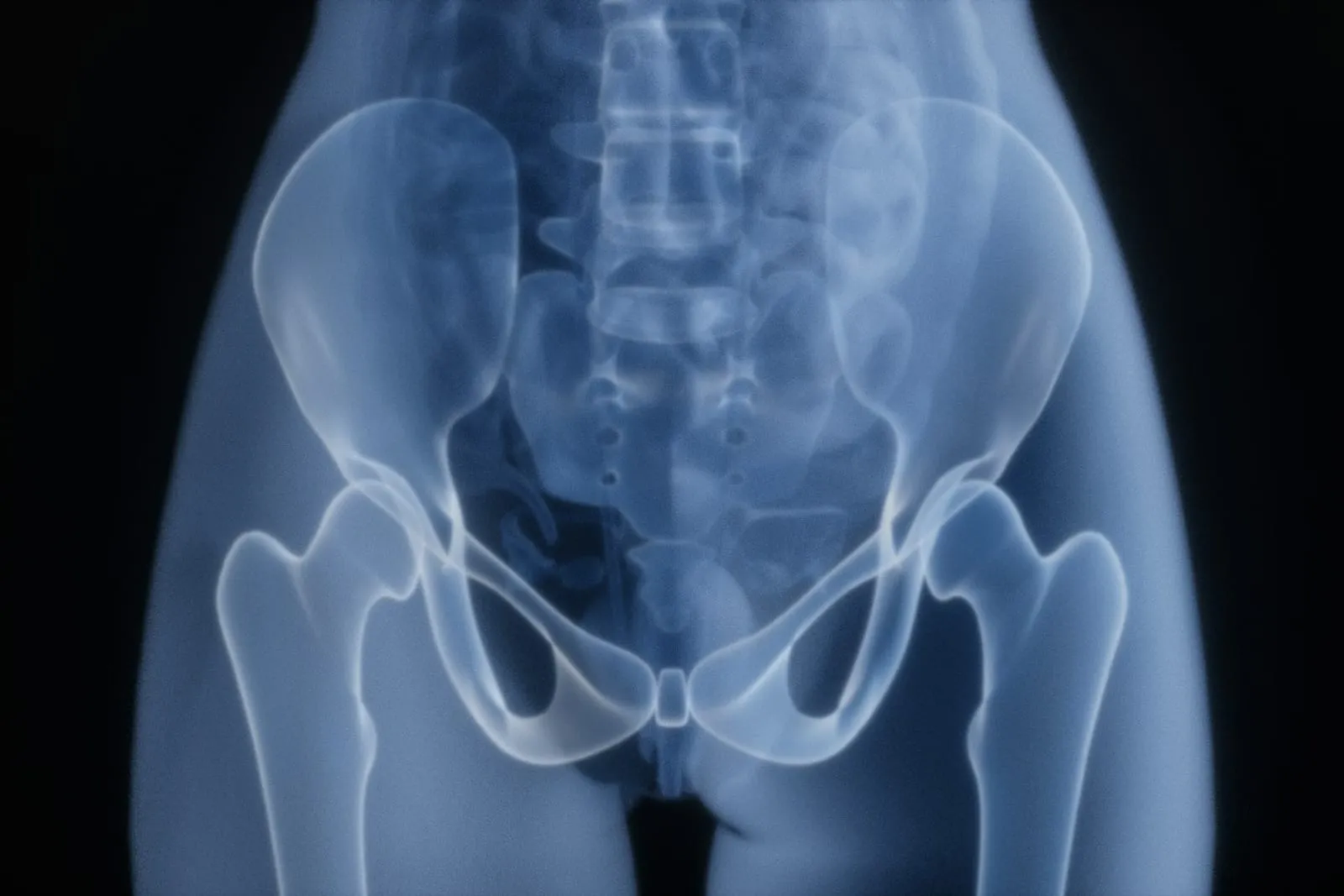
Hip pain can have many different causes. Where it hurts often gives a clue: pain in the groin is usually related to the joint itself, pain on the outer side of the hip to the tendons and bursa, and pain at the back of the hip to the muscles or the lower back. Common causes include:
- Osteoarthritis: Wear of the joint cartilage
- Muscle strains and sprains: Especially during sport
- Tendinitis and bursitis: Problems with the tendons and fluid-filled sacs on the outer side of the hip
- Pinched nerves: A pinched nerve from the lower back, or sciatica
- Inflammatory conditions: Rheumatic diseases
- Weak muscles around the hip and faulty walking mechanics
What are the symptoms?
- Pain in the groin, on the outer side of the hip or at the back of the hip
- Tenderness to touch, with pain that gets worse when lying on your side
- Stiffness in the morning or after sitting for a long time
- Restricted movement; difficulty putting on socks, tying shoelaces or getting into a car
- Weakness in the leg and limping
These symptoms can be felt not only in the hip but also in the thigh and knee. The pain may get worse during activity, but can also be felt at rest.
When should you see a physician?
If you cannot stand up or put weight on your leg after a fall, the leg looks turned outwards or shorter, you have hip pain with fever, or pain at night that does not ease with rest, see a physician without delay. Hip pain after a fall must always be checked, especially in older adults.
Physiotherapy for hip pain
Physiotherapy for hip pain is planned around the cause of the pain. The first step is a biomechanical assessment of hip, lower back and knee movement, muscle strength and walking. The program may then include:
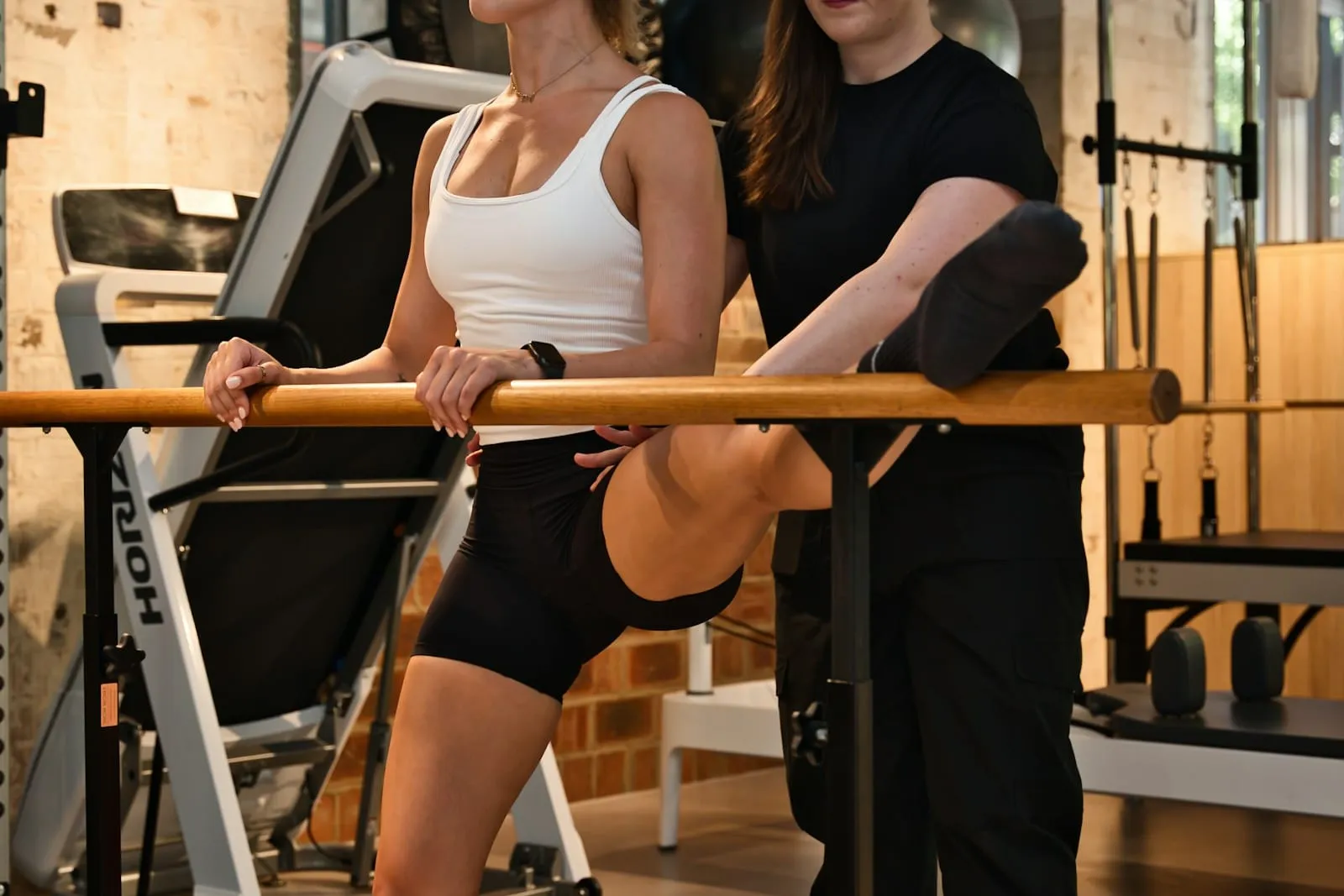
- Strengthening exercises: For the muscles around the hip, the core and the thigh
- Stretching: To reduce tension in the muscles around the hip
- Posture and gait correction: To reduce the load on the hip in everyday movements
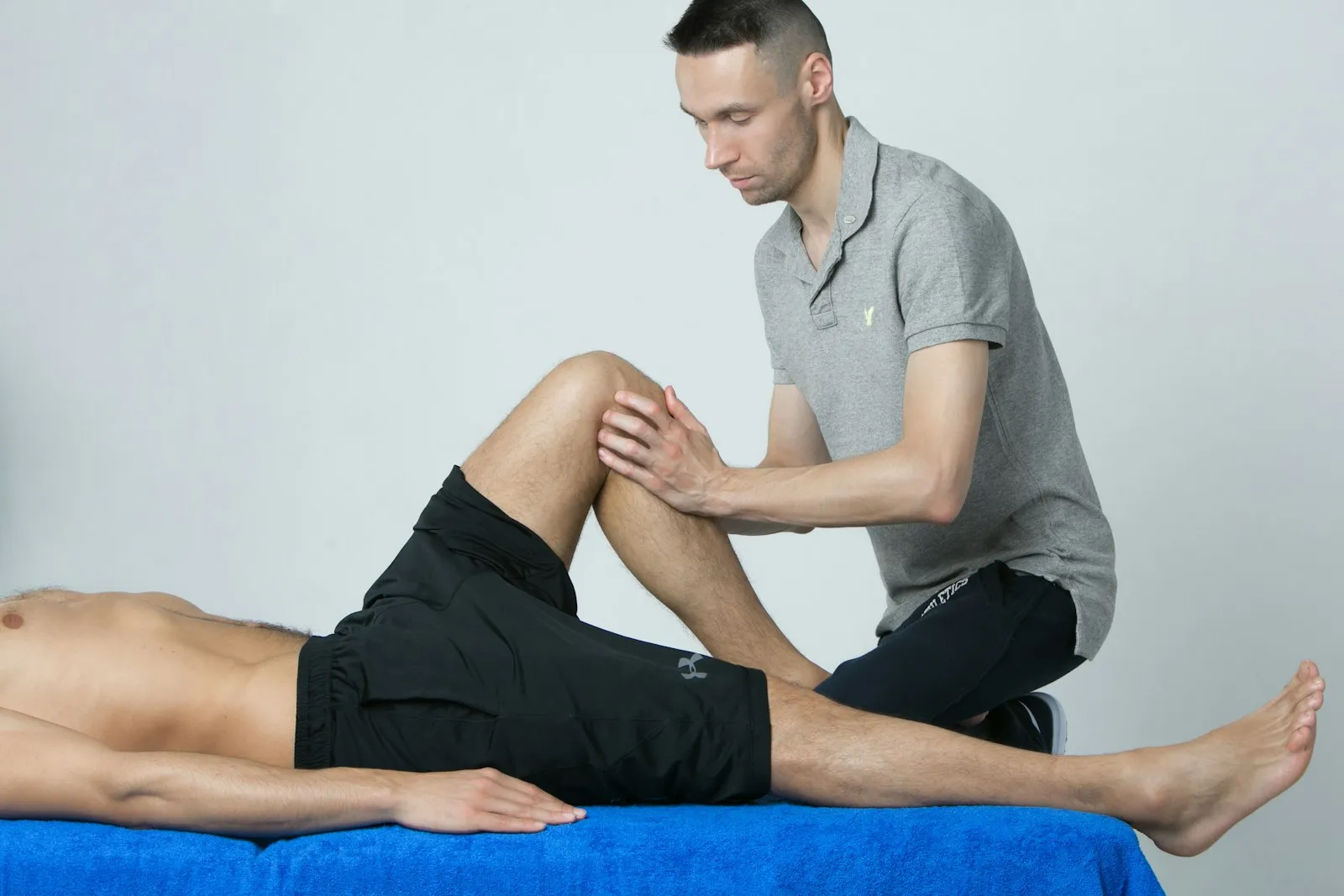
- Manual therapy and massage: To ease joint movement and relax the soft tissues
- Supportive methods: Heat and cold therapy and electrotherapy if needed
Later on, clinical pilates can be used to improve hip and core stability. If the pain comes from the lower back, lower back pain treatment is included in the program.
If hip pain has made walking and climbing stairs difficult, our physiotherapist can come to your home in Mecidiyeköy and the surrounding area; if you can move comfortably, you can have an assessment at our clinic in Fulya, Şişli.
The information on this page is for general guidance only and does not replace diagnosis or treatment. Please consult a healthcare professional about your symptoms.