What is frozen shoulder?
Frozen shoulder is a condition in which the capsule surrounding the shoulder joint becomes inflamed, thickened and stiff, so that shoulder movement is restricted both actively and passively. Its medical name is “adhesive capsulitis”.
It is most common between the ages of 40 and 60 and slightly more common in women. The risk is higher in people with diabetes or thyroid disease, and when the shoulder has been kept still for a long time (for example after surgery, a fracture or an injury).
Frozen shoulder usually progresses through three stages: the freezing stage, where pain dominates; the frozen stage, where the restriction in movement becomes clear; and the thawing stage, where movement slowly returns.
What are the symptoms?
- Pain in the shoulder, sometimes spreading down the arm
- Pain that gets worse especially at night and when lying on the shoulder
- Difficulty lifting the arm up and out to the side
- Marked restriction when turning the arm outwards (external rotation)
- Difficulty with daily tasks such as brushing your hair, getting dressed or reaching into a back pocket
- A feeling that the shoulder is “frozen” in a fixed position
These symptoms progress slowly at first and may get worse over time.
When should you see a physician?
If the shoulder pain started after a fall or blow, the shoulder looks deformed, you have a fever, or the pain spreads to the shoulder together with chest pain and shortness of breath, see a physician without delay. Frozen shoulder is diagnosed by a physician’s examination.
Physiotherapy for frozen shoulder
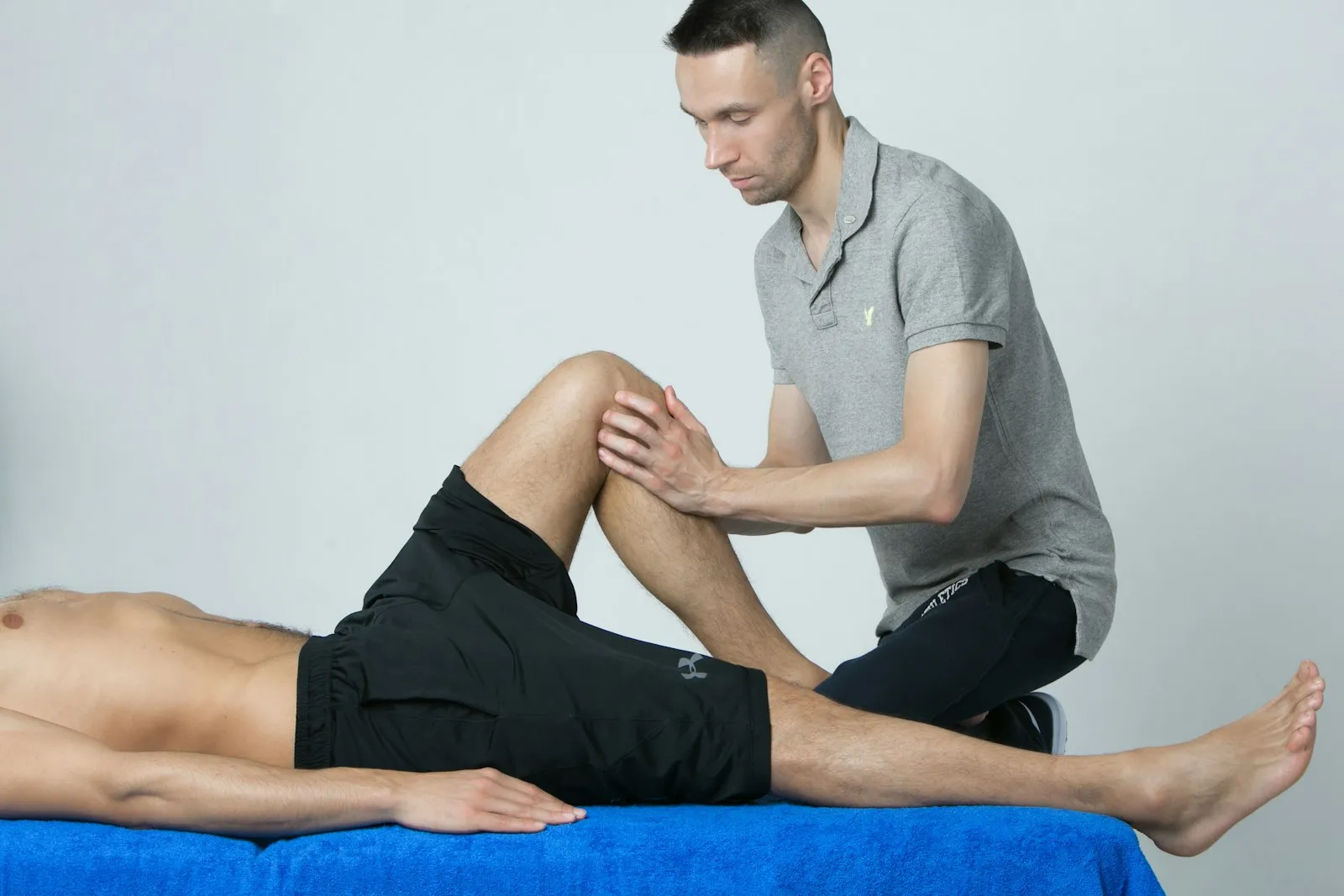
Physiotherapy for frozen shoulder is planned according to the stage of the condition. In the painful stage the focus is on reducing pain and preserving existing movement; in later stages, on regaining range of motion:
- Soft tissue and joint mobilization: Stretching the capsule with manual therapy techniques
- Stretching exercises: Regular and gradual, within the limits of the pain
- Strengthening work: To improve stability of the muscles around the shoulder and shoulder blade
- Home program: Simple movements to repeat several times a day
Frozen shoulder takes patience; keeping up your home program regularly is just as important as the sessions. You can visit our clinic in Fulya, Şişli so we can assess together which stage your shoulder is in, and for other causes of shoulder pain, take a look at our shoulder pain page.
The information on this page is for general guidance only and does not replace diagnosis or treatment. Please consult a healthcare professional about your symptoms.