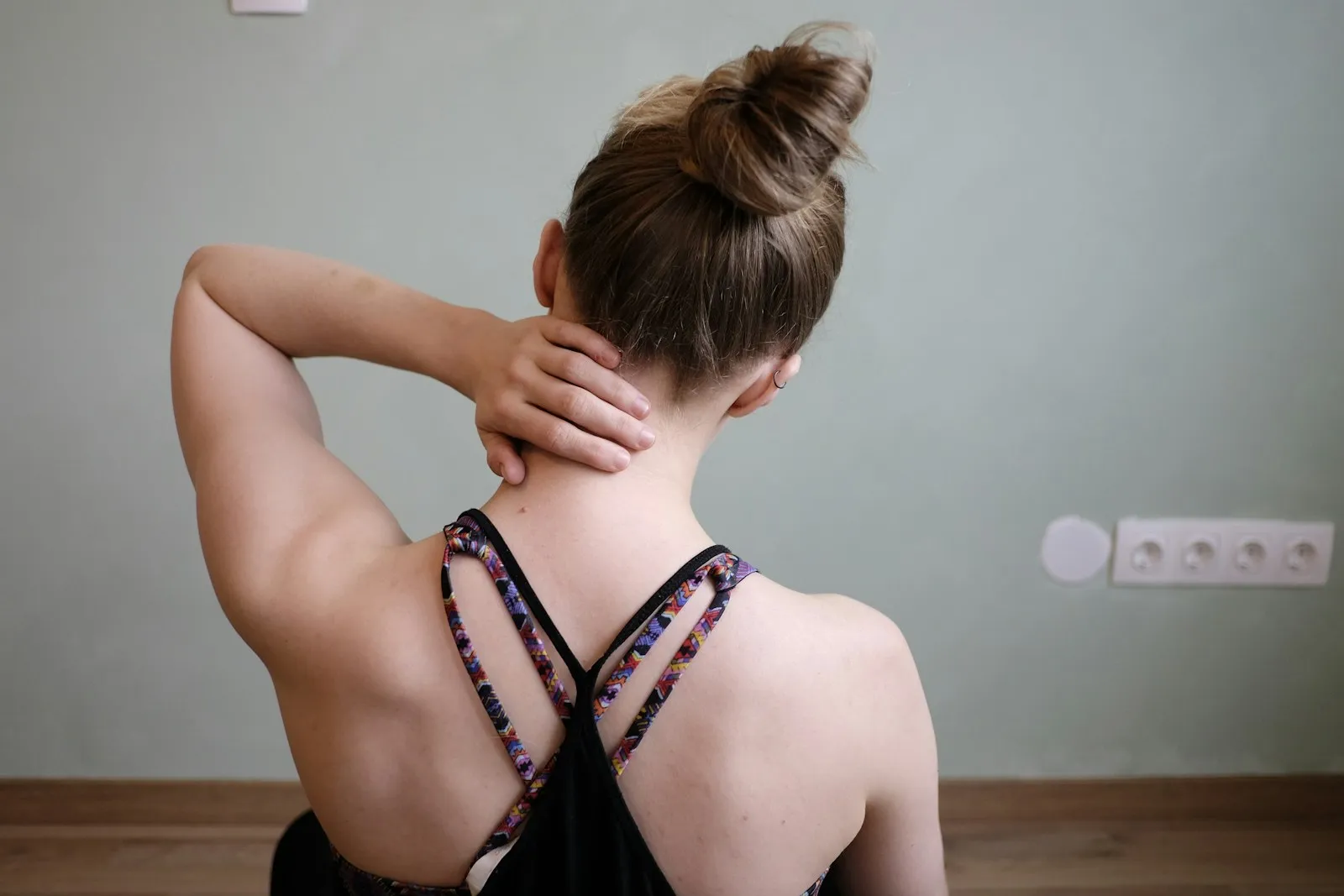
The shoulder has the widest range of motion of any joint in the body, which also makes it one of the most complex. Shoulder pain can appear as pain, weakness and restricted movement that get worse when lifting the arm, reaching behind you or lying on the shoulder at night. If simple tasks such as combing your hair, putting on a jacket or reaching for something on a high shelf have started to get difficult, it is time for an assessment.
Common causes of shoulder pain
- Strain or a tear in the rotator cuff muscles
- Frozen shoulder (adhesive capsulitis)
- Shoulder impingement, bursitis and tendinitis
- Slouched sitting and rounded shoulders
- Lifting heavy loads and repeated overhead movements
- Strain after a fall or injury
What happens in a session?
We first try to understand the source of the pain: we assess which movements make it worse, how far the shoulder can move, your muscle strength and how your shoulder blade moves. We also check whether the pain is spreading from the neck. A personalized plan is then put together:
- Manual therapy: Mobilization and soft tissue techniques for the shoulder joint and surrounding tissues
- Stretching work: To reduce capsule and muscle stiffness
- Strengthening exercises: Progressive work for the rotator cuff and shoulder blade muscles
- Posture adjustments: Addressing neck, upper back and shoulder posture together
- Everyday advice: Sleeping position, carrying loads and habits that protect the shoulder
Where needed, supportive methods such as the Graston technique may also be added to the program.
How many sessions are needed?
With shoulder problems, the time needed varies considerably depending on the cause. A tendon irritation may settle with a few weeks of regular work, while frozen shoulder is a process that stretches over months. After the assessment we give you a realistic plan and track progress together through your range of motion and how easily you manage daily tasks.
After treatment
As the shoulder muscles get stronger, the risk of the pain coming back decreases. That is why, even when sessions become less frequent, we recommend keeping up a few key exercises and taking care not to let your shoulders round forward at your desk.
When to see a physician
If you cannot lift your arm at all after a fall or blow, the shoulder looks deformed, you suddenly lose a lot of strength, the shoulder is red and warm with fever, or pain spreads to the left shoulder together with shortness of breath and chest pain, see a physician without delay.
For shoulder pain, you can book an appointment at our clinic in Şişli, close to Mecidiyeköy metro station. In the early period after surgery, or when it is hard to go out, our home physiotherapy option is available.
Fees depend on your condition and session plan; we explain them clearly in the initial consultation.